









Crystal globes
I’m left with a really positive feeling from the season, as my goal of a podium finish at the Olympics was realised. Of course, there was more to aim for at the season’s end, but in the end, the crystal globes eluded me.
Text: Matti Remes
Photos: Finnish Biathlon Federation
Finland boasts a long tradition of international achievement in biathlon. After several experienced national team athletes retired, Finland’s team athletes have made their way back to the forefront of the World Cup and major championships.
Leading Finland’s resurgence is Suvi Minkkinen, who clinched bronze in the women’s 10km pursuit at the Milan-Cortina Olympics. The last Finnish Olympic biathlon medal was won in 1998. Minkkinen is the first Finnish woman to win an Olympic biathlon medal.
“I’m left with a really positive feeling from the season, as my goal of a podium finish at the Olympics was realised. Of course, there was more to aim for at the season’s end, but in the end, the crystal globes eluded me,” says Minkkinen.
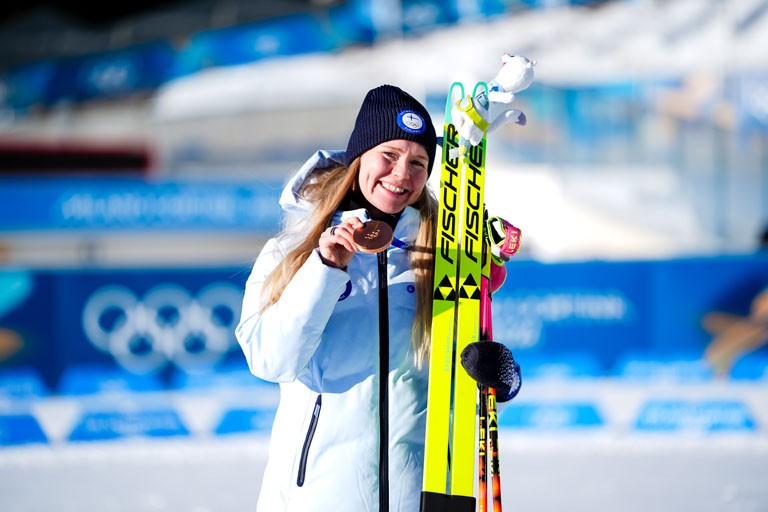
By “crystal globes”, Minkkinen means World Cup victories, which she contested until the very last races. She ultimately finished second in the pursuit cup and fifth overall.
Suvi Minkkinen’s Olympic medal was no surprise, as she had already taken a podium at the previous year’s World Championships and had been among the top finishers in several World Cup events.
The 31-year-old Minkkinen is an experienced competitor at major championships. The Milan-Cortina Games were her third Olympic appearance.
“Competition in biathlon has intensified year on year. This is evident, for example, in shooting. Among women, many now achieve a hit rate around 88 percent in competitions. That’s an excellent result.”
A select group of competitors manage to hit targets with average accuracy exceeding 90 percent. Suvi Minkkinen is one of them; precision shooting is her defining strength.
Biathlon competition has intensified year by year, especially in shooting. Among women, many now reach around 88 percent accuracy in competition, which is an excellent result.
There is still room for improvement on the skis. According to Minkkinen, the main area for development in ski training is endurance.
“Often the first and even second laps go well, but I want to maintain a competitive pace right through to the last lap.”
Biathlon is a famously challenging sport, where both shooting and skiing demand resilience under pressure. Even the fastest skiing doesn’t help if there are too many misses at the range.
The Milan-Cortina Olympics once again demonstrated the depth and intensity of the world’s elite in both women’s and men’s biathlon. Minkkinen estimates that on a good day, up to twenty women have a chance of a medal at major championships.
Spectators are kept in suspense until the very end, but the competitiveness also motivates the athletes.
“Success comes down to very fine margins. Even a flawless personal race may not be enough; your final position depends on how well others perform,” she notes.
At this level, there’s little margin for missed shots. According to Minkkinen, winning almost always requires perfect shooting or at most one penalty.
“Two penalties are already a heavy burden, and only the very best skiers can make up for them on the track. Even then, the conditions must be favourable.”
Preparation for next season starts with a rigorous training schedule. Minkkinen’s summer programme has included high-altitude training in the Alps. Skiing resumes in October, when the first tracks open.
The main goal for the new season is the World Championships in Otepää, Estonia, in February.
If I can be better than last season again, I’m sure the next season will be a good one.
Minkkinen has not yet outlined her long-term plans. The next Winter Olympics will be held in the French Alps in 2030.
“I can’t guarantee participation in those. On the other hand, I wouldn’t be surprised if I’m still competing then.
The years pass surprisingly quickly. Continuing depends essentially on how motivated I remain for hard training. We’ll see how long the motivation lasts.”
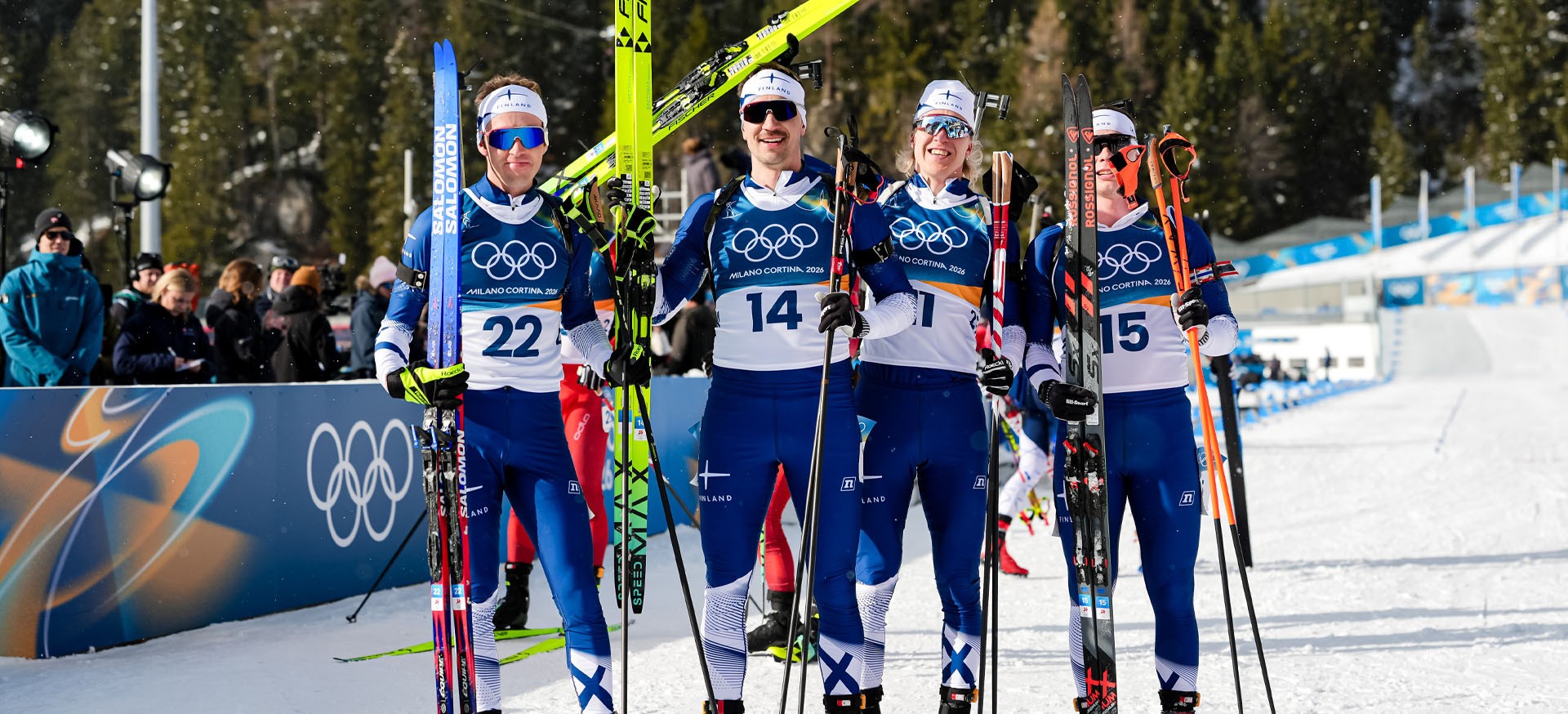
Alongside Minkkinen’s medal, Finnish biathletes achieved several point-scoring finishes at Milan-Cortina.
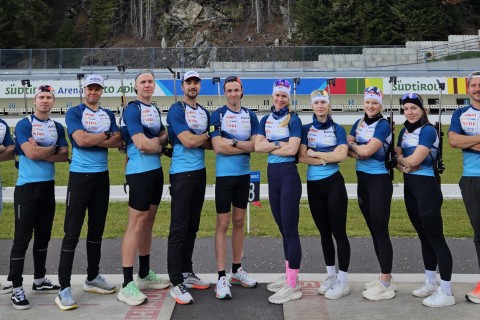
“On a broad scale, the whole team delivered stronger results than before. The men performed especially well, achieving their best results of the season at the Olympics. The women’s side wasn’t quite as consistent, so there’s definitely hunger to improve further.”
“Many successes show that we’re doing things right and moving forward,” Minkkinen observes.
In elite sport, results aren’t achieved in a single year. Finland’s rise in biathlon is the result of years of persistent work. Alongside intensive training, success in major competitions requires international experience and achievements in the World Cup.
The Biathlon Federation receives state support via the Finnish Olympic Committee. Business backing is also essential for sustaining current operations.
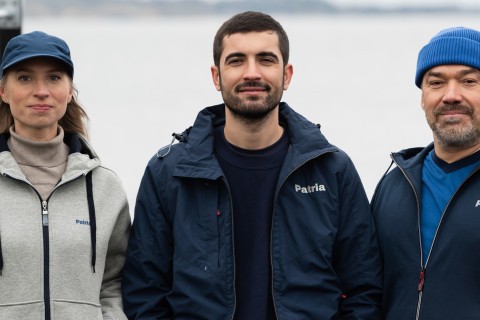
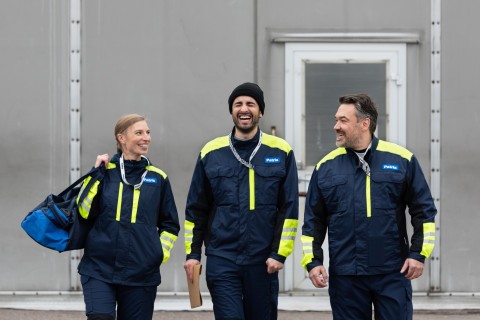
Patria has partnered with the Finnish Biathlon Federation since 2011 and will continue as the principal partner in the 2026–2027 season.
Minkkinen, who holds a Master’s degree in Economics from the University of Eastern Finland, understands well the financial foundation required for elite sport. She says long-term corporate partners are crucial if Finland is to compete with biathlon’s biggest nations.
Patria’s partnership is among the most important. The greatest value in our cooperation is that both parties benefit from it.
Financial support allows athletes to train and compete professionally. In return, companies gain visibility from the partnership. Patria features prominently on the Finnish national biathlon team’s hats, outfits, and rifles during both training and competition seasons.