From Tokyo to Finland: Patria shows how armoured vehicles can be operated beyond the horizon
26.8.2026
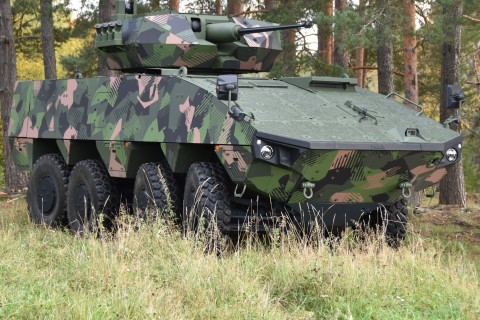
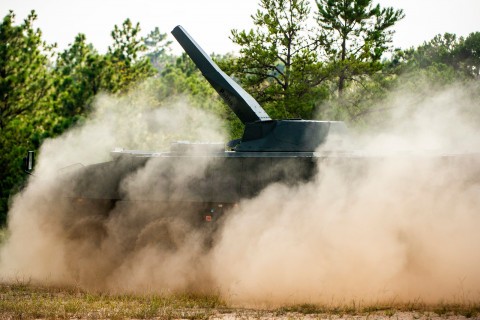
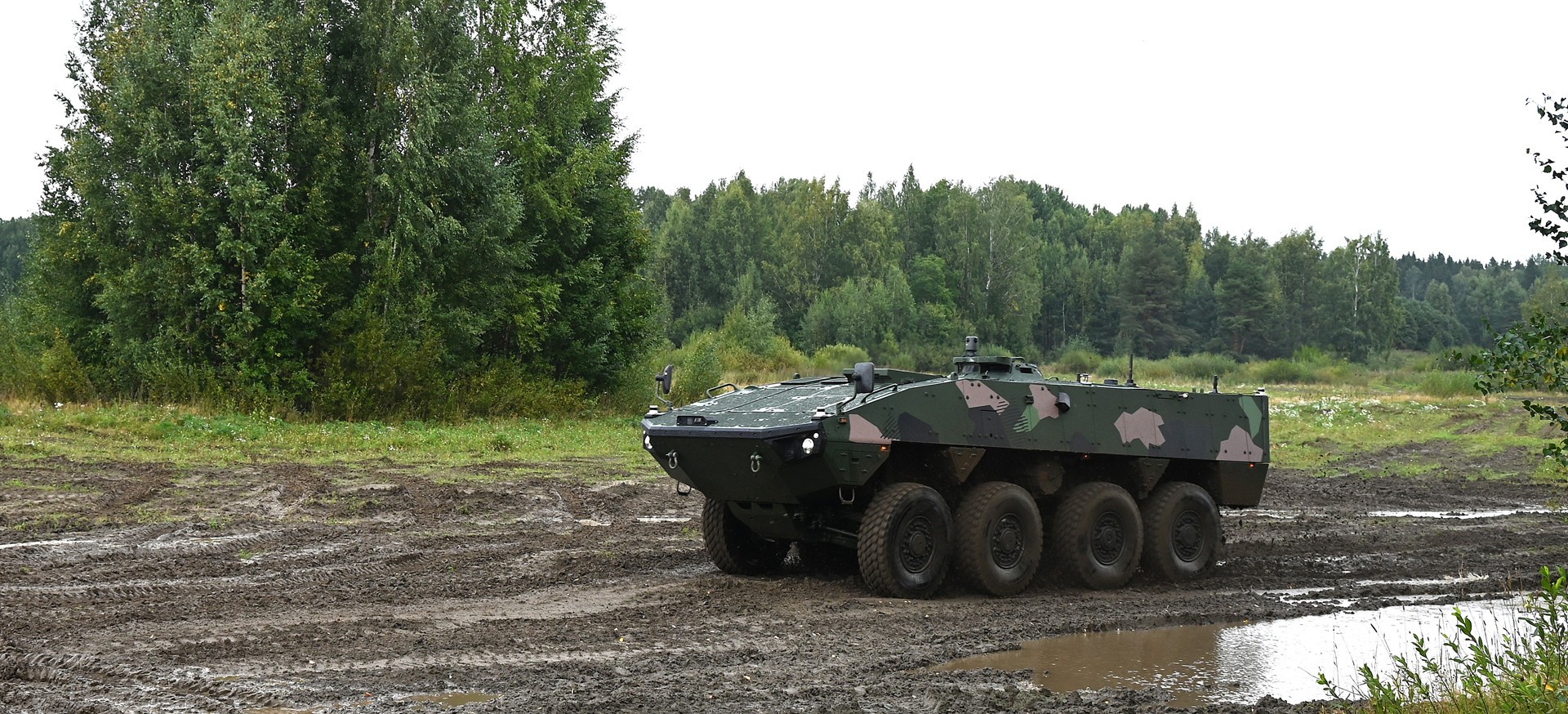
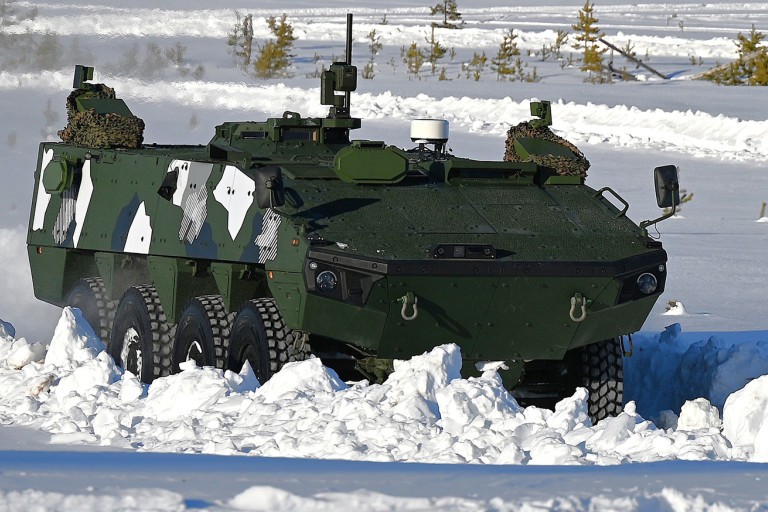
At a military testing area in Finland, a Patria AMV armoured vehicle moves under remote control. The operators, however, are not sitting nearby. They are in Tokyo, roughly 7,800 kilometres away, steering the vehicle through a secure connection that brings together vehicle autonomy, 5G connectivity and real-time situational awareness.
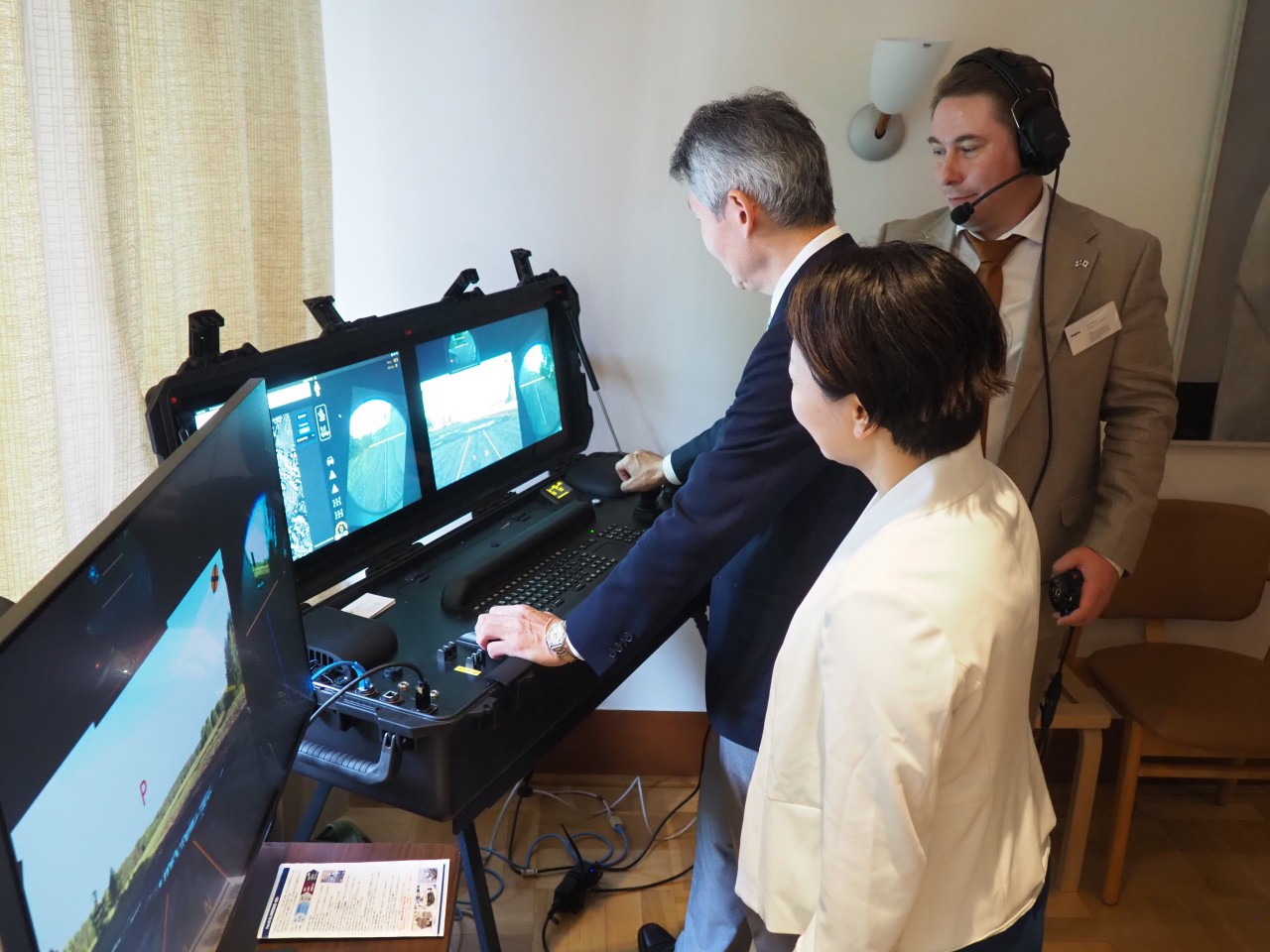
The demonstration offers a glimpse into the next phase of armoured mobility: vehicles that can be controlled, monitored and supported from far outside the operating area. In Patria’s Tokyo–Finland demo, the AMV was located at the Parola military testing area in Finland, while the Remote Operating Desk was set up in Tokyo. The message is clear: in remote operations, distance is becoming less important than the quality, security and resilience of the data connection.
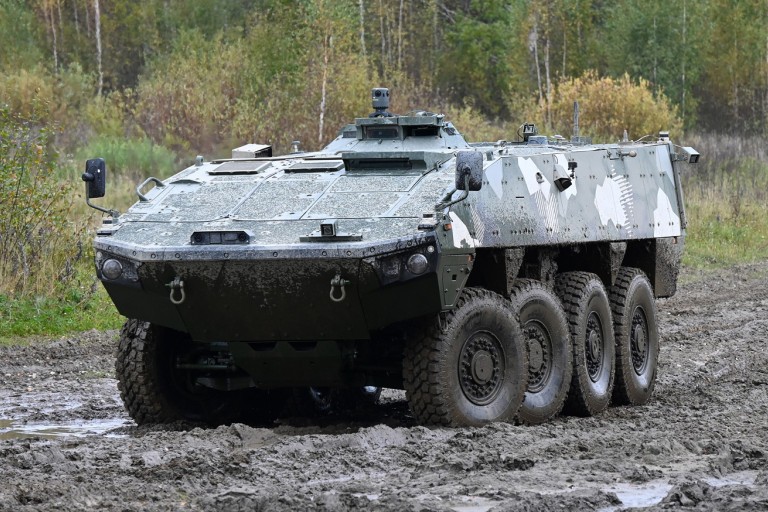
At the heart of the demonstration is Patria’s AMV platform, equipped with drive-by-wire capabilities that enable different levels of remote control and autonomy. For the demo, the vehicle was operated with a Remote Operating Device supplied by UXV Technologies, although the remote operating software can also be installed on other hardware and control solutions. The same architecture can support future use cases such as unmanned mule operations, convoying and autonomous movement based on waypoint navigation.
Patria demonstrates armoured vehicle remote operation across 7,800 kilometres.
The operational data transfer was carried over Telia’s 5G mobile network and a virtual mobile private network with international roaming. All traffic was routed through a closed corporate network, separate from the public internet, creating an isolated and secure network environment. The concept is not limited to one type of connection: it can also be adapted to other data links, including 4G, 5G and tactical software-defined radios.
In Patria’s Tokyo–Finland demo, the AMV was located at the Parola military testing area in Finland, while the Remote Operating Desk was set up in Tokyo.
Remote control is only useful when the operator can see the bigger picture
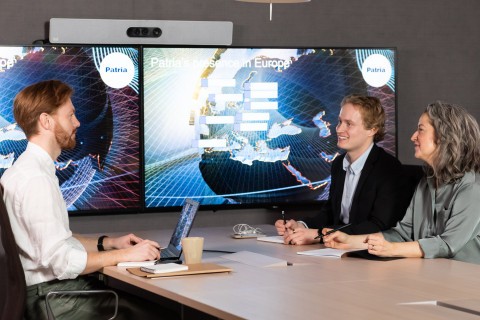
Driving an armoured vehicle remotely is not simply about replacing a steering wheel with a joystick. The operator needs a reliable understanding of the vehicle, the terrain and the wider operational environment. In the Tokyo–Finland demonstration, this wider picture was supported by Patria DOME, which provided real-time situational awareness with an ICEYE synthetic aperture radar data layer. ICEYE’s near real-time earth observation data added another source of information to support decisions beyond the vehicle’s immediate surroundings.
Together with specialised partners, this demo shows how secure connectivity and real-time awareness can enable future remote armoured vehicle operations.
The demo, organized by Patria and The Japan Steel Works, Ltd., also brought together several complementary technologies. Patria’s ILIAS solution provided information on vehicle health and maintenance condition. Nokia’s Real-time eXtended Reality Multimedia software and a Nokia 5G 360 camera integrated on the AMV strengthened visual awareness around the vehicle. SAVOX intercom and VoIP solutions connected the ground team in Finland with the remote operator in Tokyo, while a Basemark AR helmet showed how augmented reality could support situational awareness in future remote operations.
From individual technology to operational capability
For Patria, the demonstration builds on years of development in unmanned and remotely operated ground vehicle capabilities. The strength of the concept lies in integration: a modular armoured platform, digitalised vehicle data and control systems, secure connectivity, real-time sensor information and practical operator interfaces are brought together as one operational package. This makes the AMV a platform not only for today’s missions, but also for future concepts where vehicles may need to operate with fewer people exposed to risk.
Patria turns remote armoured vehicle operation into a credible future capability.
The Tokyo–Finland demo is therefore more than a technical milestone. It is a practical showcase of how defence technology, telecommunications and advanced situational awareness can be combined into a credible remote-operation concept. For customers and partners, it demonstrates that heavy armoured vehicles can be connected, monitored and controlled across long distances when the vehicle architecture, network environment and supporting technologies are designed to work together from the start.
White Paper - Remote operation beyond the horizon
Remote operation is becoming a critical capability in modern defence environments. As operational theatres expand and threats evolve, organisations require solutions that enhance safety, improve situational awareness and enable effective decision-making beyond traditional visual and communication limits.
This White Paper explores the technologies, operational concepts and future developments that are shaping remote operations in defence.
Download the White Paper below
Download the White Paper - Remote operation beyond the horizon
What did you like about the article?
Thank you for your opinion! You can share the article on social media using the buttons below: